UNIST site map
- Admissions
-
Academics
- Colleges and Schools
-
Academic Affairs
- Academic Calendar
- Academic Curriculum
- Requirements for Graduation
- Browse Open Courses
- Undergraduate Administration
-
Graduate Academic Affairs
- Tuition Fee Payment
- Academic Leave of Absence/ Academic Return
- Voluntary Withdrawal/ Expulsion
- Change of Major
- Change of Degree Program/ Dropping of Degree Program
- Class Period/ Attendance Period/ Academic Year・Semester
- Course Registration
- Course Drop
- Attendance/ Grade/ Exam
- Credit Transfer/ Credit Carryover
- Academic Forms
- Education Support
-
Research/Industry
- Research Aims
- Research Findings
- Researcher Search
-
Research Organizations
- UNIST Multi-Interdisciplinary Institute
- IBS Research Groups
-
UNIST Labs
- Department of Mechanical Engineering
- School of Energy and Chemical Engineering
- Department of Civil
- Department of Materials Science and Engineering
- Department of Nuclear Engineering
- Department of Industrial Engineering
- Department of Design
- Department of Biomedical Engineering
- Department of Biological Sciences
- Department of Electrical Engineering
- Department of Computer Science and Engineering
- Department of Mathematical Sciences
- Department of Chemistry
- Department of Physics
- School of Business Administration
- Graduate School of Carbon Neutrality
- Graduate School of Artificial Intelligence
- Research Support
- University-Industry Relations
- Campus Life
- News Center
- About UNIST
-
etc
- UNIST Bulletin
- Work-Life Balance Support System
- UNIST Gender Equality Plan
- Faculty Invitation for Tenure Track
- Faculty Invitation for Non-Tenure Track
- Board Meeting Minutes
- University Council Meeting Minutes
- Administrative Service Charter
- Privacy Policy
- Copyright Policy
- Rejection of Unauthorized Email Collection
- Operation and Management Policy for Video Information Processing Devices
- Information Disclosure
SEARCH


Connection Points of Knowledge, Everything About UNIST
Try searching.
Recommended search terms


STUDENT


- portal
- U Academics Innovation Center
- Leadership Center
- Dormitory
- Academic Information Center
- International Students Support
- Browse Open Courses
- Course Registration
- Graduation Requirements for Graduation
- Academic Leave of Absence/ Academic Return
- Military Service
- Certificate Issuance
- Academic Calendar
- Scholarships
- Campus Map
- Campus Life Guidebook
- Health Care Center
- Human Rights Center
- portal
- Job Opening
- Announcement for Bid
- UNIST AI Services
- UNIST Daycare Center
- Sports Center
- UI Downloads
- Announcement
- Recruitment of Professors (Non-tenure)
- Faculty Invitation for Tenure Track
- UNIST Academic Information Center
- Office of Research Facilities and Training
- Office of Research Affairs
- Rule Management System
- Academic Calendar


This is a collection of menus necessary for UNIST students .
students
- portal
- U Academics Innovation Center
- Leadership Center
- Dormitory
- Academic Information Center
- International Students Support
- Browse Open Courses
- Course Registration
- Graduation Requirements for Graduation
- Academic Leave of Absence/ Academic Return
- Military Service
- Certificate Issuance
- Academic Calendar
- Scholarships
- Campus Map
- Campus Life Guidebook
- Health Care Center
- Human Rights Center


This is a collection of menus necessary for prospective UNIST Students .
prospective Students


This is a collection of menus necessary for UNIST Faculty & Staff .
Faculty & Staff
- portal
- Job Opening
- Announcement for Bid
- UNIST AI Services
- UNIST Daycare Center
- Sports Center
- UI Downloads
- Announcement
- Recruitment of Professors (Non-tenure)
- Faculty Invitation for Tenure Track
- UNIST Academic Information Center
- Office of Research Facilities and Training
- Office of Research Affairs
- Rule Management System
- Academic Calendar


NEWS CENTER
Discover not only Research Findings and event news, but also the diverse facets of UNIST presented by reporters and writers.
News Center

UNIST News
총 3350건의 게시물이 있습니다.
There are a total of 3350 posts.
-
Community
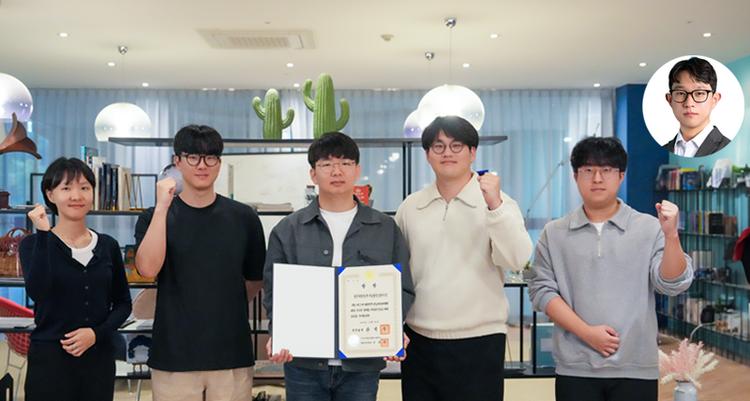
Professor Kyuho Lee's Team Wins Prime Minister's Award at the 25th Korea Semiconductor Design ChallengeProfessor Kyuho Lee's team has been awarded the Prime Minister's Award at the 25th Korea Semiconductor Design Challenge.
In a remarkable achievement, the team from the Intelligent Systems Laboratory, led by Professor Kyuho Lee from the Department of Electrical Engineering at UNIST, has been awarded the Prime Minister's Award at the 25th Korea Semiconductor Design Challenge. The team consists of talented students Jueun Jung, Sungbin Kim, Wu Young Jang, Bokyoung Seo, and Sangho Lee. Organized by the Ministry of Trade, Industry and Energy (MOTIE) and the Korea Semiconductor Industry Association (KISIA), the competition aims to cultivate semiconductor design skills and uncover innovative ideas among graduate students. This year, among the 20 awards presented—including one Presidential Award, one Prime Minister's Award, and four Minister of Trade, Industry and Energy Awards—Professor Lee's team secured the prestigious Prime Minister's Award for their groundbreaking design of ultra-low-power semiconductors capable of processing spatial information. This achievement marks the first time a team from UNIST has won the Prime Minister’s Award. The Presidential Award went to a team from Korea University, while teams from KAIST, POSTECH, Seoul National University, and DGIST earned the Minister of Trade, Industry and Energy Award. The semiconductor designed by the research team features a system-on-chip that incorporates spatial data processing capabilities from LIDAR sensor semiconductors. While the LIDAR sensor serves as the eyes of a machine, this innovative semiconductor acts as its brain, efficiently processing extensive spatial data inputs. Notably, when compared to the Jetson Tx2—a commercial mobile computing platform commonly used in mobile robotics—this design achieves an astounding 99.89% reduction in energy consumption and delivers real-time computational speeds that are up to 54.3 times faster. This innovation has garnered high praise for its creativity, technical feasibility, and overall completeness. The award ceremony for the 25th Korea Semiconductor Design Challenge took place at COEX, Seoul on October 24, 2024.- 2024-11-06
- JooHyeon Heo
- 1691
-
Community
UNIST Biotechnology Researchers Advance Global Collaborative Research with World-Class InstitutionsProfessor Jayil Lee and Professor Yoon-Kyoung Cho have been selected for project to develop a global joint research center in advanced biotechnology.
UNIST biomedical engineering researchers are fostering global collaborative research with world-class research institutes. The Ministry of Science and ICT (MSIT) has recently selected two faculty members at UNIST for the project aimed at developing a global joint research center on advanced biotechnology. Professor Jayil Lee from the Department of Biological Sciences and Professor Yoon-Kyoung Cho from the Department of Biological Engineering will each receive funding of 2 billion won over three years to conduct joint research on promising biotechnological innovations in collaboration with leading research institutes in Europe and Asia. Professor Lee's team is collaborating with the Institute of Molecular Biology (IMB) and AIMBLE, a developer of AI-driven new drug candidate materials. The team is focused on developing synthetic lethal anticancer technologies. Synthetic lethality refers to a phenomenon in which cell death does not occur due to mutation of a single gene but instead results from the simultaneous mutation of two or more genes. The joint research team aims to identify gene pairs that contribute to synthetic lethality by integrating findings from existing gene mutations in cancer cells using CRISPR gene editing techniques, ultimately developing targeted therapies to inhibit these genes. Meanwhile, Professor Cho's team is focused on creating a multiscale complex system designed to provide optimized treatment solutions tailored to specific muscle injuries. This comprehensive study encompasses multiscale high-precision imaging, functional vascular regeneration, local drug delivery systems, and the development of smart electrode patches. The team's ultimate goal is to pioneer customized regenerative treatment technologies based on artificial muscle. Collaboration with the University of Tokyo and the National University of Singapore is expected to enhance their international research capabilities. This project aims to foster research and development cooperation agreements among countries in advanced biotechnology and establish a foundation for sustainable collaboration with leading overseas research institutions. On October 24, the Ministry of Science and ICT announced the selection of a total of 15 research centers and committed 24.5 billion won to the initiative, which will run from this year through 2026.- 2024-11-05
- JooHyeon Heo
- 1699
-
News
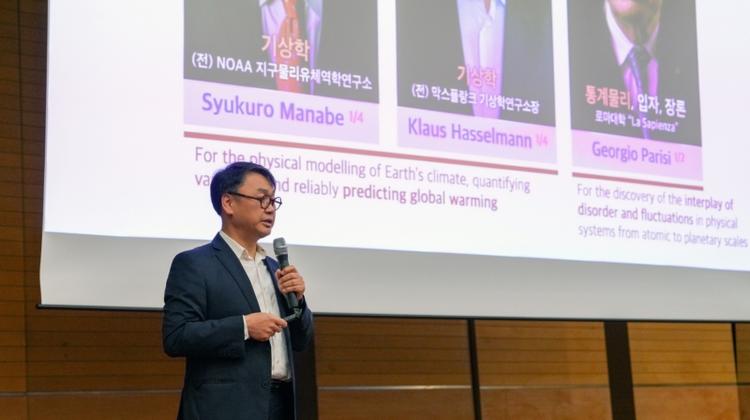
Successful Completion of 2024 Nobel Prize in Physics Commentary LectureThe 2024 Nobel Prize in Physics Commentary Lecture was held in the auditorium, featuring an engaging discussion on the convergence of AI and physics.
The recent decision by the Nobel Committee marks a significant milestone in the recognition of 'information' as a fundamental aspect of reality within physics. This reflects the zeitgeist of our era, as physics increasingly aims to understand life and social phenomena through the lens of 'information,' transcending traditional material concerns. On November 1, the 2024 Nobel Prize in Physics Commentary Lecture was held in the auditorium, featuring an engaging discussion on the convergence of artificial intelligence (AI) and physics. Professor Cheol-Min Ghim from the Department of Physics at UNIST delivered the lecture, exploring the past, present, and future of AI while highlighting the groundbreaking contributions of Professor John Hopfield and Professor Geoffrey Hinton, this year's Nobel laureates in Physics. The event attracted an audience of over 230 participants, including more than 80 parents and local citizens accompanied by their children, demonstrating a keen interest in the sciences. Professor Ghim remarked, "This lecture was designed to examine the imminent future of the interaction between AI and physics," and further expressed, "I hope it provides an opportunity for citizens and aspiring scientists to engage thoughtfully with the impact of innovative technologies on society." Professor Ghim elaborated on the profound influence of the research conducted by Professors Hopfield and Hinton on AI development. Hopfield invented the Hopfield Network, which established a framework for the retention and association of information. Hinton has significantly advanced AI's learning capabilities through innovations such as the Boltzmann machine and backpropagation algorithms. Professor Ghim emphasized, "Without their pioneering work, today's artificial intelligence would not exist." Following the lecture, an interactive Q&A session ensued. When asked, "Does artificial intelligence have the potential to surpass human intelligence?" Professor Ghim responded, "AI possesses significant technological potential, but this must be accompanied by ethical responsibility." Attendees expressed positive feedback regarding the commentary lecture. Woo Jun-ha, a third grader at Eonyang Middle School, remarked, "It was fascinating to learn about the connection between AI and physics for the first time." Kim Bum-soo and Jeon Ju-hyuk, second graders at Shinjeong High School, added, "The links between physics and AI were remarkable, and today’s lecture provided us with valuable insights to enhance our school learning." Professor Ghim emphasized, "This lecture showcased the potential for further advancements in AI through the principles of physics." Participants left with renewed perspectives on the future of AI and its wide-ranging applications. President Chong Rae Park commented, "This lecture was an essential opportunity to understand the evolution of modern science through the convergence of artificial intelligence and physics. UNIST is committed to further fostering these academic exchanges." The Department of Physics is dedicated to continuing to provide opportunities for community engagement, promoting awareness and understanding of scientific advancements.- 2024-11-05
- JooHyeon Heo
- 282
-
Research
ARI.ai Unveils Groundbreaking Generative AI Model for LoL EsportsUNIST Faculty Startup ARI.ai announced the launch of LoLGPT, the world's first generative AI model for League of Legends esports.
In an exciting development for the esports community, ARI.ai, a startup founded by Professor Jooyeon Kim from the Graduate School of Artificial Intelligence at UNIST, has announced the launch of LoLGPT, the world's first large-scale AI model specifically designed for the League of Legends (LoL) esports. This innovative technology is set to revolutionize how players and teams analyze gameplay and formulate strategies. This innovative technology is set to revolutionize how players and teams analyze gameplay and formulate strategies. LoLGPT represents a monumental leap in AI capabilities, having assimilated vast amounts of data from professional players and upper-tier users. Its understanding of game dynamics has surpassed that of human experts, similar to how AlphaGo transformed the game of Go. Leveraging its state-of-the-art analytical abilities, LoLGPT evaluates player performances, champion attributes, historical gameplay, strategic combinations, and patch updates to forecast game trajectories and identify likely winning teams. This predictive expertise could become an essential tool for esports professionals seeking a competitive edge. An inside look at the LoLGPT service screen. l Image Credit: ARI.ai ARI.ai's offerings include tailored functionalities, such as match simulation, champion selection simulations, strategic recommendations, and team composition insights. Importantly, the AI model is designed with flexibility in mind, allowing for the development of additional features that directly cater to the specific needs of professional teams. The company aims to roll out comprehensive services to esports teams worldwide in the near future. Professor Kim remarked, "Previous AI services in LOL faced challenges in meeting the intricate requirements of professional teams due to technical limitations. With LoLGPT, we are poised to instigate a transformative shift in the esports landscape, delivering insights that extend beyond human expertise." He further highlighted, "Much like AlphaGo introduced novel training methodologies for Go players, we anticipate a future where professional esports teams will utilize LoLGPT for their training and strategic development." Noteworthy contributions to the development of LoLGPT came from JeongWon Bae from the Department of Computer Science and Engineering and ByeongHun Park from the Department of Electrical Engineering at UNIST, highlighting the collaborative spirit of innovation at ARI.ai.- 2024-11-04
- JooHyeon Heo
- 673
-
Research
Non-Volatile Fermi Level Tuning for the Control of Spin-Charge Conversion at Room TemperatureTheir findings have been published in Nature Communications on October 10, 2024.
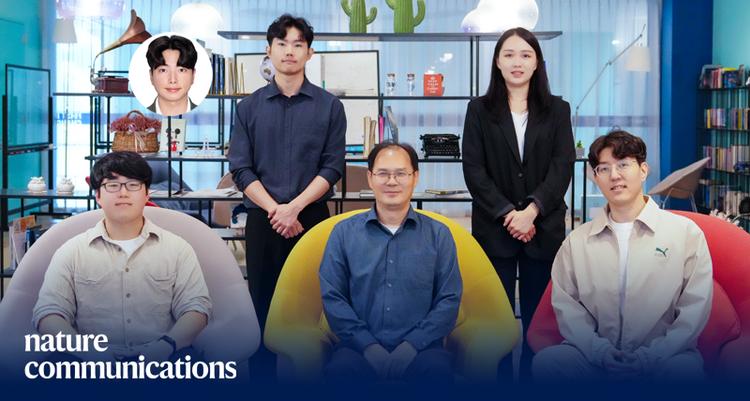
Abstract Current silicon-based CMOS devices face physical limitations in downscaling size and power loss, restricting their capability to meet the demands for data storage and information processing of emerging technologies. One possible alternative is to encode the information in a non-volatile magnetic state and manipulate this spin state electronically, as in spintronics. However, current spintronic devices rely on the current-driven control of magnetization, which involves Joule heating and power dissipation. This limitation has motivated intense research into the voltage-driven manipulation of spin signals to achieve energy-efficient device operation. Here, we show non-volatile control of spin-charge conversion at room temperature in graphene-based heterostructures through Fermi level tuning. We use a polymeric ferroelectric film to induce non-volatile charging in graphene. To demonstrate the switching of spin-to-charge conversion we perform ferromagnetic resonance and inverse Edelstein effect experiments. The sign change of output voltage is derived by the change of carrier type, which can be achieved solely by a voltage pulse. Our results provide an alternative approach for the electric-field control of spin-charge conversion, which constitutes a building block for the next generation of spin-orbitronic memory and logic devices. A research team, led by Professor Jung-Woo Yoo from the Department of Materials Science and Engineering at UNIST has unveiled a new type of magnetic memory device, designed to reduce power consumption and heat generation in MRAM semiconductors. Their innovative work was published in the prestigious journal, Nature Communications on October 10, 2024. Magnetic Random Access Memory (MRAM) represents the next generation of memory technology, combining the strengths of NAND flash and DRAM. It is a non-volatile storage solution, meaning data is preserved even when the device is powered off, while also achieving speeds comparable to DRAM. MRAM has already seen commercialization in sectors requiring fast and reliable data access. Traditional MRAM devices rely on electric current to write and erase data. In these devices, when the magnetization directions of the two magnetic layers are aligned (parallel), the resistance is low; when they are opposite (antiparallel), the resistance is high. Data is then represented as binary states (0 and 1) based on these configurations. However, changing the magnetization direction necessitates a current exceeding a critical threshold, which leads to significant power consumption and heat generation. In contrast, the memory device developed by Professor Yoo's team allows for data writing using only voltage pulses. This innovative device features a structure where graphene is sandwiched between yttrium iron garnet (a magnetic insulator) and PVDF-TrFE (a ferroelectric material). Upon application of a voltage pulse, the current flow through the graphene is altered, enabling the storage of binary data based on this current direction. The research employs advanced physics concepts, including the inverse Edelstein effect and ferromagnetic resonance (FMR). The spin current injected into graphene via the magnetic insulator's ferromagnetic resonance converts into charge current through the inverse Edelstein effect. By applying a voltage pulse to the ferroelectric, the Fermi level of the graphene shifts, thus modifying the current direction. Professor Yoo stated, "This study lays the groundwork for addressing the power consumption challenges of AI semiconductor devices, significantly reducing heat generation and energy use while enhancing performance." The research team also included Dr. Choi Jong-hyun, the first author from UNIST's New Material Engineering Department; Dr. Park Jung-min from KAIST, a former member of UNIST’s New Material Engineering Department; Professor Kim Kyung-hwan from Yonsei University; and Dr. Kim Choong-hyun from KIAS. This work was supported by the Korea Research Foundation's Next Generation Intelligent Semiconductor Technology Development Project, the Nano and Material Technology Development Project, and the Basic Research Project. Journal Reference Jonghyeon Choi, Jungmin Park, Seunghyeon Noh, et al., "Non-volatile Fermi level tuning for the control of spin-charge conversion at room temperature," Nat. Commun., (2024).- 2024-11-01
- JooHyeon Heo
- 347
-
Community
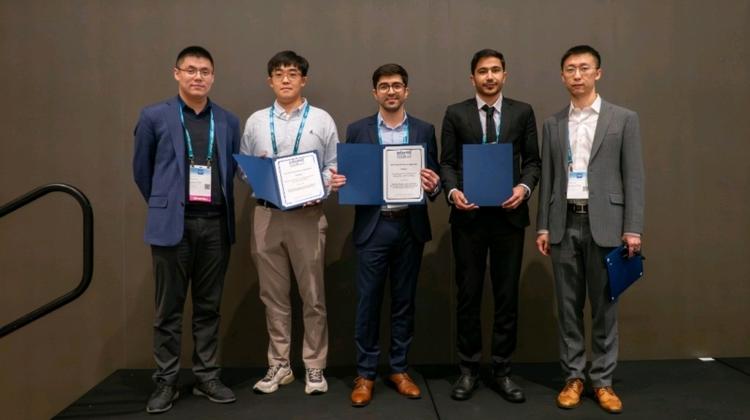
UNIST Industrial Engineering Department Claims Victory in International AI Case Study Competition!Gyeongho Kim, a Ph.D. student from the laboratory of Professor Sunghoon Lim won 1st place at the 2024 INFORMS QSR Manufacturing AI Case Study Competition.
The ability to predict the feasibility of manufacturing parts significantly enhances production efficiency and reduces costs in the manufacturing industry. Leveraging this technology, the laboratory of the Department of Industrial Engineering at UNIST has developed an innovative AI-based prediction algorithm and achieved victory in an international competition. Gyeongho Kim, a Ph.D. student from the laboratory of Professor Sunghoon Lim, who is affiliated with the Department of Industrial Engineering and the Graduate School of Artificial Intelligence, won first place at the 2024 INFORMS QSR Manufacturing AI Case Study Competition, hosted by the Institute for Operations Research and The Management Sciences (INFORMS). This competition focuses on solving real-world industrial challenges utilizing actual manufacturing data. The challenge involved predicting the manufacturability of a microbiological fuel cell (MFC) anode structure. Given three-dimensional (3D) structural information, the team was tasked with determining the feasibility of actual production. Gyeongho Kim, a key contributor to the project, developed a machine learning-based prediction algorithm by analyzing the physical and geometric characteristics of the MFC anode structure. Additionally, he created a deep learning-based algorithm that leverages complex three-dimensional structural data. The final predictive analysis employed an ensemble model that effectively combined both algorithms, achieving an impressive prediction accuracy exceeding 95%. These research findings are anticipated to have a significant impact on the design and optimization of MFC anode structures. Gyeongho Kim stated, "We plan to transform the prediction technology developed in this project into an academic paper. If this technology is implemented in manufacturing environments, it could positively influence the industry as a whole." In a notable achievement, Gyeongho Kim was selected as the first recipient of the Presidential Science Scholarship in April 2024 and has authored over eight papers as the first author, focused on smart manufacturing and artificial intelligence applications in leading international journals.- 2024-10-31
- JooHyeon Heo
- 1785
-
Community
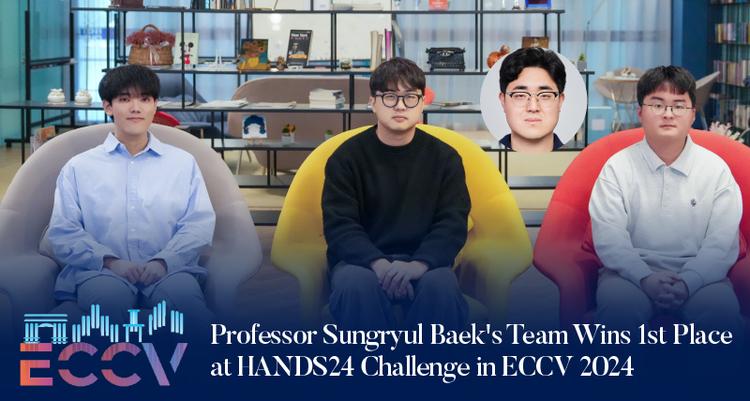
Professor Seungryul Baek's Team Takes First Place at ECCV 2024 HANDS Workshop Challenge!Professor Seungryul Baek's team won the first place in the HANDS workshop challenge (ARCTIC), held in ECCV'24.
A research team, led by Professor Seungryul Baek at the Graduate School of Artificial Intelligence, UNIST, has achieved remarkable success in the HANDS workshop challenge, held in conjunction with the 2024 European Conference on Computer Vision (ECCV). Their work, which leverages advanced artificial intelligence imaging technology, successfully reduces distortion in 3D hand and object reconstruction. Taking place on October 30, the competition comprised four categories, with Professor Baek's team securing the top position in the ARCTIC track. In this challenge, the team utilized their method for reconstructing hand and object meshes using the '3D Gaussian Splatting (3DGS),' which led them to win first place in the 8th HANDS Workshop Challenge at ECCV 2024. The ARCTIC track focuses on evaluating the accuracy of computer vision models that reconstruct 3D meshes from videos depicting the movements of both hands and objects. This task is particularly challenging as it requires reconstructing the mesh using only third-person camera data, without employing pre-scanned 3D template information. A mesh represents detailed reconstructed information about an object in polyhedral form. Professor Baek's team, which included members Jongwan On, Kyeonghwan Gwak, Gunyoung Kang, Hyin Hwang, Soohyun Hwang, Junuk Cha, and Jaewook Han, achieved the award by introducing a groundbreaking 3D reconstruction technique that minimizes distortion in the reconstruction of hands and objects, particularly from lateral viewpoints. By implementing the latest in 3D Gaussian Splatting (3DGS) technology, they effectively reduced the distance error between the hand and the object by approximately threefold (from 70 cm). Professor Baek remarked, "In real life, human hands are continually interacting with objects, making it crucial to achieve accurate 3D reconstruction. This advancement will significantly contribute to the creation of immersive virtual reality and metaverse experiences."- 2024-10-31
- JooHyeon Heo
- 1276
-
Research
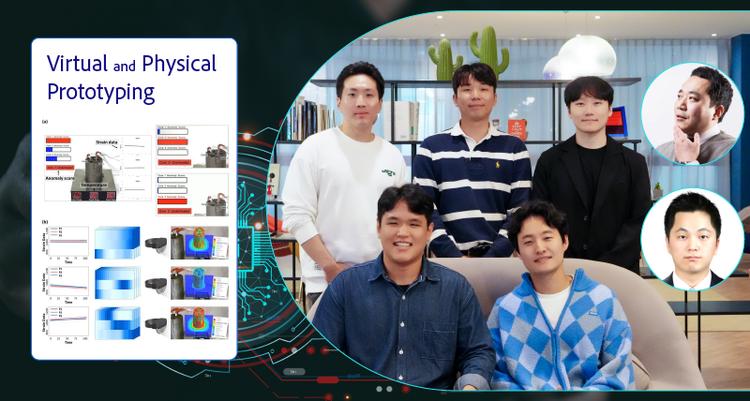
New Study Unveils Direct Energy Deposition for Smart Micro ReactorTheir findings have been published in Virtual and Physical Prototyping on October 10, 2024.
Abstract Nuclear microreactors (MRs) have attracted significant attention for their versatility in installation locations, especially with the growing demand for sustainable green energy in large data processing facilities. However, ensuring their safe operation necessitates frequent inspections, which can be challenging for practical efficient management. This study proposes a novel approach using direct energy deposition to incorporate an optical fiber sensor into MR components, enabling real-time monitoring with artificial intelligence. The embedded optical fiber generates real-time data that allows for AI-driven in-vivo thermal deformation analysis. Our smart MR component can detect structural anomalies, identify abnormal operations, and assess operational conditions through augmented reality interfaces and AI technology. As the demand for electricity rises in the age of artificial intelligence (AI), global tech companies are focusing on small nuclear reactors as a sustainable energy solution. A new remote monitoring technology, capable of detecting potential hazards in these reactors within just two seconds using advanced AI. This innovative system enables real-time monitoring of internal conditions, significantly reducing management costs and enhancing safety. A research team, jointly led by Professor Im Doo Jung (Department of Mechanical Engineering, UNIST) and Professor Namhun Kim (Department of Mechanical Engineering/AI Graduate School, UNIST), along with Professor Hyungmo Kim from Gyeongsang National University, has introduced a smart component system designed for remote surveillance of small nuclear reactors. This system incorporates embedded optical fiber sensors that continuously monitor components and alert users to any abnormal conditions. The breakthrough lies in a novel technology that combines 3D printing with AI, enabling the rapid processing of multiple continuous variables from optical fiber sensors. The team successfully manufactured smart nuclear parts using a Directed Energy Deposition (DED) printing method, seamlessly integrating fiber optic sensors within the metal components. This design ensures stability even in the harsh environments typical of nuclear reactors. The AI system rapidly analyzes data from the optical sensors to monitor thermal deformation in real time, allowing operators to detect irregularities and assess conditions remotely through an augmented reality (AR)-based digital twin interface. Figure 1. Figure 1. DED sensor embedding and monitoring process. In contrast to traditional large-scale nuclear reactors, microreactors (MRs) can provide stable power generation near energy-intensive facilities. However, maintaining safety in these plants is paramount. This new technology is poised to significantly enhance the safety and operational efficiency of next-generation small nuclear reactors by enabling AI to monitor critical thermal deformation signals that are often undetectable by human inspection. Professor Jung noted, "We tackled the challenges associated with traditional inspection methods through our AI convergence technology, which can greatly enhance the stable and efficient operation of next-generation small nuclear power plants." He further predicted that "this convergence technology could extend its applications beyond nuclear power, potentially benefiting diverse industries such as autonomous manufacturing systems, aerospace, and advanced defense." The findings of this research have been published in Virtual and Physical Prototyping (IF: 10.3, JCR < 7% in Manufacturing) on October 10, 2024. The research was supported by the National Research Foundation of Korea (NRF), the Ministry of Science and ICT (MSIT), the Korea Institute of Information & Communication Technology Planning & Evaluation (IITP), the Korea Institute of Energy Technology Evaluation and Planning (KETEP), and the Ministry of Trade, Industry and Energy (MOTIE). Journal Reference Hayeol Kim, Junyoung Seo, Adrian Matias Chung Baek, et al., "Direct energy deposition for smart micro reactor," Virtual Phys. Prototyp., (2024).- 2024-10-31
- JooHyeon Heo
- 1045
-
Research
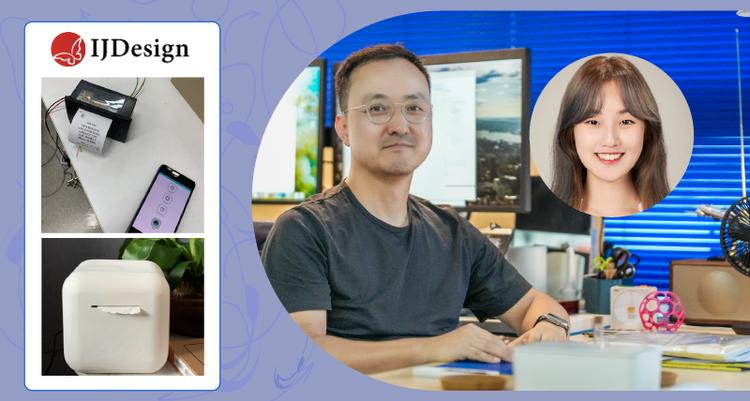
Innovative Device Aims to Prevent Depression by Managing Negative Emotions in Anxious AttachmentThe findings of this research have been published in the online version of the International Journal of Design on August 31, 2024.
Abstract This paper investigates how negative emotions arising from anxious attachment can be effectively mitigated through the design of interactions and how design-supported attachment stabilization can contribute to well-being. Anxious attachment is a type of attachment that is prominent in individuals who are highly dependent on others and have lower self-esteem in interpersonal relationships (e.g., I need constant reassurance from my partner to feel secure.). To illustrate how interactions can be systematically designed to alleviate anxious attachment, the paper presents the development of a self-administered interactive device that supports users in the contexts of underachievement, self-depreciation, and future worries. The development process was informed by a diary study with individuals with anxious attachment that explored daily coping strategies, and a design workshop with design professionals that generated a set of design strategies. A ten-day field evaluation study showed the device’s effectiveness in alleviating negative emotions associated with anxious attachment through three aspects: facilitating explicit emotion awareness, encouraging positive self-perception, and introspecting the problems at hand. These positive effects were more pronounced when experiencing moderate and low intense negative emotions. This paper discusses implications for design practice with future research directions. A research team, affiliated with UNIST has revealed a method for preventing depression through self-management of negative emotions. This approach involves the development of an emotion management device specifically designed for individuals exhibiting anxious attachment tendencies. Anxious attachment tendencies often originate in childhood relationships with caregivers and significantly impact interpersonal dynamics in adulthood. Individuals with high dependency on others and low self-esteem frequently experience negative emotions that can be difficult to regulate, potentially leading to depression. Professor Chajoong Kim and his research team in the Department of Design identified that approximately 20% of the population exhibits anxious attachment tendencies. To assist these individuals, the team developed a device aimed at alleviating negative emotions in everyday life. This device facilitates immediate recognition of negative emotions and encourages positive thinking. The research team explored the contexts in which individuals with anxious attachment tendencies experience negative emotions. Through diary writing and group interviews, they identified nine specific situations that provoke negative emotions. Figure 1. The operation process of an interactive device that mitigates anxious attachment. From these scenarios, they selected three key areas of focus: Underachievement, Self-deprecation, and Future worries. Subsequently, the team organized workshops with five design professionals to brainstorm potential solutions. After evaluating various ideas, a device was selected that features printed questions, which users answer with a pen. This device helps users recognize negative emotions, stimulates positive thinking, and promotes reflective problem-solving. Figure 2. The process of prototyping the device includes: (a) developing the printer module and the mobile app, (b) creating the 3D printed cover, and (c) installing the device at a participant’s home. The research team subsequently installed the device in the homes of participants with anxious attachment tendencies and conducted an experimental evaluation. The results demonstrated a significant reduction in negative emotions. Participants reported improved emotional awareness and understanding of the underlying causes of their feelings. Many indicated that the device assisted them in adopting a more positive mindset and managing their emotions independently. One participant shared, "It was a bad day, but I felt better thinking about the good moments." Another remarked on the positive shift, stating, "I focused on my strengths, not my weaknesses." Professor Kim commented, "We have introduced a novel approach for individuals with anxious attachment to alleviate negative emotions independently," and added, "This work shows the potential to complement traditional psychological counseling by professionals." The findings of this research have been published in the online version of the International Journal of Design, a recognized international design journal, on August 31, 2024. The study was conducted with support from the National Research Foundation of Korea (NRF). Journal Reference Heimin Kang, JungKyoon Yoon, Chajoong Kim, "Mitigating Negative Emotions in Anxious Attachment through an Interactive Device," IJDesign, (2024).- 2024-10-30
- JooHyeon Heo
- 560