UNIST site map
- Admissions
-
Academics
- Colleges and Schools
-
Academic Affairs
- Academic Calendar
- Academic Curriculum
- Requirements for Graduation
- Browse Open Courses
- Undergraduate Administration
-
Graduate Academic Affairs
- Tuition Fee Payment
- Academic Leave of Absence/ Academic Return
- Voluntary Withdrawal/ Expulsion
- Change of Major
- Change of Degree Program/ Dropping of Degree Program
- Class Period/ Attendance Period/ Academic Year・Semester
- Course Registration
- Course Drop
- Attendance/ Grade/ Exam
- Credit Transfer/ Credit Carryover
- Academic Forms
- Education Support
-
Research/Industry
- Research Aims
- Research Findings
- Researcher Search
-
Research Organizations
- UNIST Multi-Interdisciplinary Institute
- IBS Research Groups
-
UNIST Labs
- Department of Mechanical Engineering
- School of Energy and Chemical Engineering
- Department of Civil
- Department of Materials Science and Engineering
- Department of Nuclear Engineering
- Department of Industrial Engineering
- Department of Design
- Department of Biomedical Engineering
- Department of Biological Sciences
- Department of Electrical Engineering
- Department of Computer Science and Engineering
- Department of Mathematical Sciences
- Department of Chemistry
- Department of Physics
- School of Business Administration
- Graduate School of Carbon Neutrality
- Graduate School of Artificial Intelligence
- Research Support
- University-Industry Relations
- Campus Life
- News Center
- About UNIST
-
etc
- UNIST Bulletin
- Work-Life Balance Support System
- UNIST Gender Equality Plan
- Faculty Invitation for Tenure Track
- Faculty Invitation for Non-Tenure Track
- Board Meeting Minutes
- University Council Meeting Minutes
- Administrative Service Charter
- Privacy Policy
- Copyright Policy
- Rejection of Unauthorized Email Collection
- Operation and Management Policy for Video Information Processing Devices
- Information Disclosure
SEARCH


Connection Points of Knowledge, Everything About UNIST
Try searching.
Recommended search terms


STUDENT


- portal
- U Academics Innovation Center
- Leadership Center
- Dormitory
- Academic Information Center
- International Students Support
- Browse Open Courses
- Course Registration
- Graduation Requirements for Graduation
- Academic Leave of Absence/ Academic Return
- Military Service
- Certificate Issuance
- Academic Calendar
- Scholarships
- Campus Map
- Campus Life Guidebook
- Health Care Center
- Human Rights Center
- portal
- Job Opening
- Announcement for Bid
- UNIST AI Services
- UNIST Daycare Center
- Sports Center
- UI Downloads
- Announcement
- Recruitment of Professors (Non-tenure)
- Faculty Invitation for Tenure Track
- UNIST Academic Information Center
- Office of Research Facilities and Training
- Office of Research Affairs
- Rule Management System
- Academic Calendar


This is a collection of menus necessary for UNIST students .
students
- portal
- U Academics Innovation Center
- Leadership Center
- Dormitory
- Academic Information Center
- International Students Support
- Browse Open Courses
- Course Registration
- Graduation Requirements for Graduation
- Academic Leave of Absence/ Academic Return
- Military Service
- Certificate Issuance
- Academic Calendar
- Scholarships
- Campus Map
- Campus Life Guidebook
- Health Care Center
- Human Rights Center


This is a collection of menus necessary for prospective UNIST Students .
prospective Students


This is a collection of menus necessary for UNIST Faculty & Staff .
Faculty & Staff
- portal
- Job Opening
- Announcement for Bid
- UNIST AI Services
- UNIST Daycare Center
- Sports Center
- UI Downloads
- Announcement
- Recruitment of Professors (Non-tenure)
- Faculty Invitation for Tenure Track
- UNIST Academic Information Center
- Office of Research Facilities and Training
- Office of Research Affairs
- Rule Management System
- Academic Calendar


NEWS CENTER
Discover not only Research Findings and event news, but also the diverse facets of UNIST presented by reporters and writers.
News Center

UNIST News
총 3359건의 게시물이 있습니다.
There are a total of 3359 posts.
-
Community
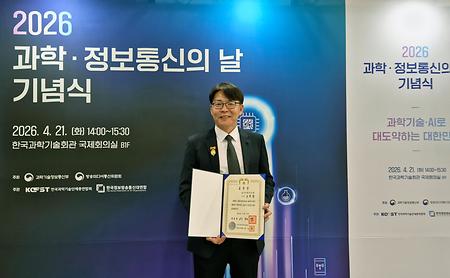
Professor Hyunhyub Ko Honored with Presidential Commendation for Bio-Inspired Sensor InnovationsFrom electronic skin to hydrogel-based artificial tongues and auditory systems, his research is shaping next-generation human–machine interfaces.UNIST announced that Professor Hyunhyub Ko, Head of the School of Energy and Chemical Engineering, has been awarded a Presidential Commendation at the commemorative ceremony for the 2026 Science and Information & Communications Day, recognizing his contributions to bio-inspired electronic devices that replicate human sensory functions. Professor Ko's research focuses on translating human senses—including touch, taste, and hearing—into flexible electronic systems. His team has developed electronic skin modeled after human fingertips, capable of simultaneously detecting pressure, fine texture, and temperature. This work has been extended to artificial sensory platforms, including electronic tongues that can distinguish complex taste profiles such as astringency, and acoustic sensors inspired by the human cochlea that differentiate sound frequencies. The group has also created ultrathin, transparent speakers and microphones that can be applied directly to the skin, opening new possibilities for wearable devices and human–machine interfaces. Beyond device development, Professor Ko has advanced functional materials inspired by natural systems. His work includes MXene-based nanochannels that regulate ion transport in response to light, as well as temperature-responsive adhesive systems modeled after octopus suction structures. These technologies are widely regarded as enabling components for next-generation applications, including tactile robotics, wearable healthcare systems, immersive virtual and augmented reality, and broader Internet of Things (IoT) and human–machine interface platforms. Since joining UNIST in 2010, Professor Ko has published 168 peer-reviewed international journal articles. His work has received more than 21,000 citations, with an h-index of 75, reflecting sustained global research impact. “This recognition reflects the collective efforts of our research group,” Professor Ko said. “I am deeply grateful to all members of the lab who have contributed to this work.” The award was presented at the 2026 Science and Information & Communications Day, held in Seoul on April 21, 2026. A total of 164 individuals were honored at the event, including 22 recipients of Presidential Commendations in the field of science and technology.- 2026-04-28
- JooHyeon Heo
- 44
-
News
UNIST Breaks Ground on YUHA Challenge Hall to Accelerate Deep-Tech InnovationKRW 48 billion facility to support regional startups from the lab to market—backed by philanthropy and government funding.UNIST has broken ground on the ' YUHA (裕河) Challenge Hall, ' a new entrepreneurship and research complex designed to accelerate the growth of deep-tech startups and strengthen the regional innovation ecosystem. The groundbreaking ceremony, held on April 28, marks the launch of a major initiative supported by both private philanthropy and government funding. The ceremony was attended by Duksan Group Honorary Chairman Junho Lee and Duksan Group President Soo-Hoon Lee, UNIST Board Chair Jae Ho Song, UNIST President Chong Rae Park, Ulsan Chamber of Commerce and Industry Chair Yuncheol Lee, and Ulsan Research Institute President Sanghoon Pyeon, among other distinguished guests. The program included opening remarks, congratulatory addresses, donor remarks, and a ceremonial lighting. The project includes a KRW 30 billion donation from Duksan Group Honorary Chairman Junho Lee, with additional government support bringing the total investment to approximately KRW 48 billon. Scheduled for completion in 2028, the facility will comprise eight above-ground floors and one basement level, with a total floor area of approximately 14,004 square meters. It will consolidate key innovation resources—from prototyping and circuit design to high-performance computing and smart healthcare—alongside startup offices and a convention hall. The YUHA Challenge Hall is designed to provide comprehensive support across the full startup lifecycle—from early-stage research and prototyping to investment, validation, and global expansion. UNIST Plans to operate the facility as a regional hub for innovation through its technology holding company, which will support faculty- and student-led ventures from initial concept development to follow-on investment. A dedicated ' YUHA Challenge Program ' will further identify high-potential technologies and accelerate their path to commercialization. By co-locating research teams and startup companies within a single facility, the university aims to streamline technology transfer and reduce the time required to bring new innovations to market. Startups emerging from the program are expected to expand into regional startup parks, industrial complexes, and corporate open innovation platforms, enabling large-scale validation and facilitating entry into global markets. The initiative also seeks to foster a sustainable entrepreneurial ecosystem in which local talent can build and grow companies within the region. The name YUHA , derived from Chairman Lee's pen name, reflects values of generosity and abundance—principles that inform the vision for the new facility. “Having started my business in Ulsan more than 40 years ago, I have always sought to take on new challenges,” said Chairman Lee. “I hope this will become a place where young entrepreneurs can pursue bold ideas without fear of failure, and build innovations that contribute to a more prosperous society.” UNIST President Chong Rae Park said, “The YUHA Challenge Hall will serve as a platform that translates research into tangible outcomes—products, companies, and jobs. We are committed to supporting students and researchers as they develop technologies, attract investment, and bring their ideas to the global market.” The project also aligns with a recent government initiative, led by the Ministry of Science and ICT (MSIT) to strengthen science-based startup ecosystems at Korea's leading research institutions. By combining UNIST's research capabilities with Ulsan's industrial base, the facility is expected to play a key role in advancing this national effort.- 2026-04-28
- JooHyeon Heo
- 100
-
Research
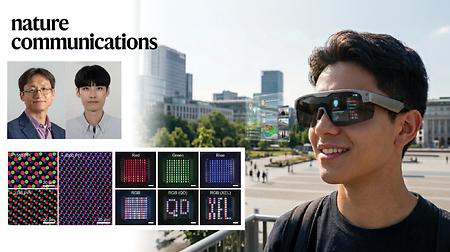
Breakthrough QD Display Technology Achieves 4,000 PPI Resolution — Ideal for XR GlassesThe findings of this research have been published in Nature Communications on March 19, 2026.Abstract Colloidal quantum dots (QDs) are leading candidates for next-generation optoelectronics owing to their tuneable bandgaps, narrow emission linewidths, and high luminescence quantum yields. For virtual-, augmented-, and mixed-reality display applications of these materials, patterning full-color QDs at μm-length scales is essential. However, existing photolithographic approaches often degrade QD luminance characteristics by exposing them to harsh processing conditions, or they compromise the structural fidelity of the resulting patterns. Here we report a photoresist-guided indirect (PIN) photopatterning strategy that includes (i) lithographic formation of sacrificial PR patterns, (ii) deposition of a crosslinked QD film on top, and (iii) PR stripping that removes the sacrificial PR, leaving behind crosslinked QD patterns on the substrate. QD crosslinking is mediated by a diazo-based ligand thermocrosslinker, Diazo-4-LiXer. Leveraging low-temperature (110–120 °C)-activated carbene chemistry, Diazo-4-LiXer bridges neighbouring QDs while maintaining their intrinsic photoluminescence and electroluminescence through repeated processing. Moreover, Diazo-4-LiXer enables thermocrosslinking without affecting the underlying photoresist pre-patterns, which serve as structural templates determining the thickness and fidelity of the QD patterns. Using PIN photopatterning, we realize high-fidelity RGB patterns exceeding 4,000 pixels per inch resolution and demonstrate integration-level scalability by fabricating a 10 × 10 passive-matrix full-colour RGB QD–LED array. Researchers, affiliated with UNIST have announced a significant advancement in quantum dot (QD) display technology, enabling ultra-fine, high-resolution patterning of QDs suitable for next-generation XR glasses. This innovation promises brighter, more vivid images even in outdoor environments. Professor BongSoo Kim from the Department of Chemistry at UNIST, in collaboration with Professor Moon Sung Kang of Sogang University and Dr. Chan-mo Kang at Electronics and Telecommunications Research Institute (ETRI), have developed a novel photopatterning technique that maintains the integrity of quantum dots while achieving micron-scale precision. To meet the demanding resolution required for XR displays—exceeding 3,000 pixels per inch (PPI)—the team’s method patterns quantum dots into 2-micrometer (μm) pixels. This enables over 4,000 PPI, meaning more than 10 million pixels can be packed into a space about the size of a coin, ensuring sharp, immersive visuals. The process employs a custom-developed additive, Diazo-4-LiXer, which facilitates thermocrosslinking at low temperatures (110–120°C) via carbene chemistry, preserving the quantum dots’ luminescent properties. It involves creating a sacrificial photoresist (PR) template, depositing a crosslinked quantum dot film, then removing the PR to leave behind precisely patterned quantum dots—without damage or shape distortion. This technique not only achieves high fidelity and density but also enables the fabrication of full-color RGB quantum dot LED arrays, demonstrating its potential for commercial application. Professor Kim commented, “Our method allows for ultra-high resolution patterning of quantum dots while maintaining their exceptional optical properties. It opens new avenues for advanced XR glasses and microdisplays, where brightness, color purity, and resolution are crucial.” The findings of this research have been published in Nature Communications on March 19, 2026. The study has been supported by the Samsung Research Funding & Incubation Center of Samsung Electronics, the National Research Foundation of Korea (NRF), and the Ministry of Science and ICT (MSIT). Journal Reference Hyeokjun Kim, Hyobin Ham, Chang Hyeok Lim, et al., "Photoresist-guided indirect photopatterning of quantum dots via carbene-mediated ligand thermocrosslinking," Nat. Commun., (2026).- 2026-04-27
- JooHyeon Heo
- 65
-
Research
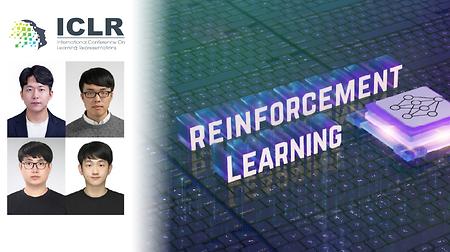
UNIST Demonstrates Global Competitiveness in Reinforcement Learning with Three Papers Accepted to ICLR 2026Three papers by Professor Seungyul Han's team have been accepted for publication at the International Conference on Learning Representations (ICLR 2026).UNIST has demonstrated strong international competitiveness in reinforcement learning, a core technology for physical AI, with three papers by Professor Seungyul Han’s research group from the Graduate School of Artificial Intelligence accepted to the International Conference on Learning Representations (ICLR 2026), held in Rio de Janeiro, Brazil, from April 23 to 27, 2026. ICLR, alongside NeurIPS and ICML, is widely regarded as one of the world’s leading artificial intelligence conferences. This year, approximately 5,300 papers—about 27% of more than 19,000 submissions—were accepted, making the selection of three papers from a single research group a notable achievement. The accepted studies address key challenges in reinforcement learning, where AI systems learn optimal actions through interaction with their environment—an approach essential for applications, such as robotics and autonomous systems operating in complex, real-world conditions. The first study proposes Self-Improving Skill Learning (SISL), a method designed to enable robust learning from noisy offline data. By decomposing long-horizon tasks into reusable skills and refining them through prioritized updates, SISL mitigates the impact of imperfect data and supports stable adaptation across complex tasks. The second study introduces Strict Subgoal Execution (SSE), which improves long-horizon planning by distinguishing feasible subgoals from unreachable ones. By leveraging past failures and partial successes, the method enhances planning efficiency and increases overall task reliability in goal-conditioned environments. The third study presents Successive Sub-value Q-learning (S2Q), a framework for multi-agent reinforcement learning (MARL) that retains multiple high-value action candidates. This approach enables agents to adapt more effectively in dynamic environments where optimal strategies shift over time, improving both coordination and overall performance. The research was led by Sanghyun Lee, Jaebak Hwang, and Yonghyeon Cho as first authors, respectively, and supported by programs funded by the Ministry of Science and ICT (MSIT) and the National Research Foundation of Korea (NRF). Professor Han said, “Our research demonstrates that reinforcement learning can be applied more reliably in environments with limited data and uncertainty, with strong potential for applications in autonomous driving, robotics, and smart manufacturing.” Journal Reference [1] Sanghyeon Lee, Sangjun Bae, Yisak Park, Seungyul Han, "Self-Improving Skill Learning for Robust Skill-based Meta-Reinforcement Learning," ICLR 2026. [2] Jaebak Hwang, Sanghyeon Lee, Jeongmo Kim, Seungyul Han, "Strict Subgoal Execution: Reliable Long-Horizon Planning in Hierarchical Reinforcement Learning," ICLR 2026. [3] Yonghyeon Jo, Sunwoo Lee, Seungyul Han, "Retaining Suboptimal Actions to Follow Shifting Optima in Multi-Agent Reinforcement Learning," ICLR 2026.- 2026-04-27
- JooHyeon Heo
- 118
-
Research
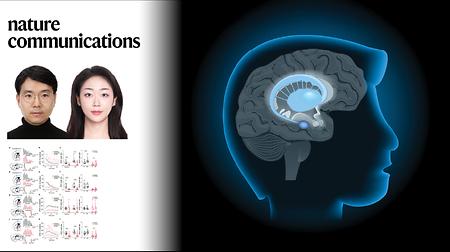
New Study Unveils Region-Specific Dopamine Regulation in the Basal GangliaThe findings of this research have been published in Nature Communications on April 3, 2026.Abstract Dopamine affects voluntary movement by modulating basal ganglia function. However, the contribution of dopamine on striatopallidal synapses, an initial hub in the indirect pathway connecting the striatum to the GPe, remains poorly understood because of the sparse dopaminergic innervation. Here, we combine optogenetic projection targeting, whole cell patch clamp recordings in acute brain slices from mice, and computational modeling to overcome this limitation. We show that dopamine activates D2 receptors (D2Rs) and D4 receptors (D4Rs) differentially in distinct GPe subregions. In a pinwheel-like fashion, dorsolateral and ventromedial GPe expresses high levels of D2Rs, which exert presynaptic inhibition, while in dorsomedial and ventrolateral GPe D4Rs cause postsynaptic inhibition. Dopamine depletion by 6-OHDA reshapes the region-specific effect of dopamine, shifting it in the opposite direction and contributing to hypokinesia. These findings reveal the mechanism by which the different modality information conveyed spatially through the indirect pathway is differentially modulated by dopamine at striatopallidal synapses. Researchers at UNIST have identified a novel spatial rule, governing how dopamine modulates inhibitory signals in the brain’s basal ganglia, deepening our understanding of motor control and opening new avenues for targeted therapies in neurodegenerative diseases, such as Parkinson’s. The study, led by Professor Jae-Ick Kim of the Department of Biological Sciences, reveals that dopamine’s influence on synapses within the indirect pathway of the basal ganglia varies depending on the specific subregion. Using advanced techniques—including optogenetics, electrophysiology, and computational modeling—the team demonstrated that dopamine differentially regulates GABAergic inhibitory signals through distinct receptor types in different parts of the external globus pallidus (GPe). Specifically, dopamine reduces inhibitory GABA release via D2 receptors in the dorsolateral and ventromedial GPe regions, weakening inhibition. Conversely, in the dorsomedial and ventrolateral regions, dopamine acts through D4 receptors to suppress postsynaptic activity, also diminishing overall inhibition. This regional specificity suggests that dopamine fine-tunes motor signals in a highly localized manner. Remarkably, in a Parkinson’s model characterized by dopamine depletion, these region-specific modulation patterns are reversed, indicating that the spatial regulation of dopamine is critical for normal motor function. Such insights could inform the development of more precise interventions targeting specific brain regions and receptor subtypes. Professor Lee commented on the findings, "Understanding how dopamine differently modulates circuits based on region and receptor type provides a foundation for developing targeted therapies for movement disorders." Youngeun Lee, the lead researcher, added, "Our study highlights the importance of regional and receptor-specific modulation within the brain's motor circuits, which could lead to more effective treatment strategies." Published in Nature Communications on April 3, this research offers vital neurophysiological insights for designing treatments for movement disorders. This study has been supported by the Mid-Career Researcher Program and the Bio & Medical Technology Development Program of the National Research Foundation of Korea (NRF), funded by the Ministry of Science and ICT (MSIT). Journal Reference Youngeun Lina Lee, Maria Reva, Ki Jung Kim, et al ., “Distinct modes of dopamine modulation on striatopallidal synaptic transmission,” Nat. Commun ., (2026).- 2026-04-27
- JooHyeon Heo
- 159
-
News
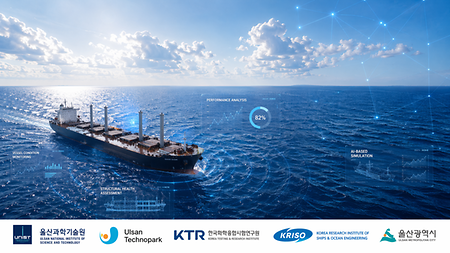
UNIST to Establish KRW 38.2 Billion AI Ship Technology Testing and Validation CenterNew facility to support autonomous navigation and eco-friendly ship systemsUNIST has secured a government-funded project to establish a testing and validation center for AI-based ship equipment and advanced components, marking a major step toward advancing Korea’s shipbuilding industry. The project, supported by the Ministry of Trade, Industry and Energy (MOTIE), was selected under a 2026 government initiative to strengthen infrastructure in the shipbuilding and offshore sector. With a total budget of KRW 38.2 billion, it will support the development and validation of AI-driven autonomous ship systems and advanced composite materials in response to tightening environmental regulations led by the International Maritime Organization (IMO), as well as evolving industry demands. Scheduled for completion by 2030, the center will be located in the Ulsan Mipo National Industrial Complex. UNIST will oversee its construction and operation in collaboration with the Ulsan Metropolitan Government, with participation from Ulsan Technopark, the Korea Testing & Research Institute (KTR), and the Korea Research Institute of Ships and Ocean Engineering (KRISO). Designed as an end-to-end validation platform, the facility will support the full development cycle—from design and prototyping to performance testing and certification readiness. In the advanced components domain, it will enable the validation of fiber-reinforced plastic (FRP)-based ship structures, exterior materials, and propulsion components under real-world operating conditions, including mechanical stress, corrosion, and cryogenic environments. The center will also incorporate AI- and digital twin-based manufacturing systems to enhance process optimization, quality control, and productivity. For AI-based ship systems, the center will establish a hybrid validation environment combining simulation and field testing, supporting the evaluation of autonomous navigation algorithms, sensor modules, and control systems in terms of safety, reliability, and repeatability, and accelerating commercialization. The center is expected to play a key role in supporting small and mid-sized shipbuilding suppliers by improving access to testing infrastructure and validation data, thereby strengthening industrial competitiveness and facilitating entry into global markets. Professor Young-Bin Park of the Department of Mechanical Engineering at UNIST, who leads the project, said, “This initiative will help bridge the gap between technology development and commercialization, supporting the advancement of environmentally sustainable and intelligent shipbuilding."- 2026-04-24
- JooHyeon Heo
- 287
-
기고
[다산칼럼] 꿈의 크기가 지역 운명 가른다커지는 수도권·지방 간 격차 기득권 토착 구조도 한 원인
AI가 몰고 오는 새로운 변화 연구기능, 제조공장에 통합
부울경은 거대한 '산업 펜타곤' 세계 중심 되는 꿈 가져야“도망쳐라. 찾아라. 당신에게 발이 달린 이유다.” 일본 동화작가 요시타케 신스케의 말이다. 변화가 오면 새롭게 생성하고 진화해온 생존의 비유적 표현 같다. “도망쳐라”는 “변화를 수용하라”는 주문으로 들린다. 인공지능(AI)이 몰고 오는 변화도 예외가 아니다. 열린 자세로 외부를 소환(召喚)하고 담을 허물어 월경(越境)하는 기제(mechanism)가 일상의 철학이 돼야 할 판이다. 그냥 앉아서 죽지 않으려면 말이다. 역사적으로 변방에서 중심으로 우뚝 선 지역이 있다. 작은 언덕에서 제국이 된 로마, 항구에서 민주주의 발상지가 된 아테네의 고대 서사부터 그렇다. 근대 산업혁명기 맨체스터는 농촌에서 세계 공장이 됐다. 현대에 와서도 그렇다. 영국 식민항에서 아시아 허브가 된 싱가포르, 사막 어촌에서 중동 허브가 된 두바이, 작은 어촌에서 하드웨어 실리콘밸리가 된 선전(深川) 등이 있다. 변방의 파괴적 혁신론의 사례들이다. 국가적으로는 2차 세계대전 후 식민지에서 독립한 나라 가운데 한국 같은 드라마가 없다. 제3세계 국가의 경제적 예속을 다룬 종속이론이 학계를 강타한 적이 있지만 한국은 그 결정적 반증으로 꼽힐 정도다. 국가와 리더의 전략적 선택과 내부 동력이 빚어낸 합작품이었다. 이런 한국에서 정작 수도권과 비수도권의 격차 담론은 지역판 종속이론을 떠올리게 한다. 언제까지 중앙정부와 수도권 탓으로 돌린다고 해결될 일이 아니다. 지역과 리더는 과연 어떤 전략적 선택을 하고 내부 동력을 이끌어내고 있는가. 돌아보면 지역 내부 탓이 더 클지 모른다. 지역 청년이 수도권으로 떠나든 말든. 지역 리더의 꿈 크기가 딱 거기까지였다. 내 이익만 챙기면 그만이라는 기득권 토착 구조야말로 지역 성장을 가로막는 근원이라는 한탄이 나온다. 그동안 지역에는 공장만 남고 연구소는 모조리 수도권으로 나간다는 구도였다. 젊은 인재는 수도권으로 유출되고 지역은 고사할 수밖에 없다는 자조가 넘쳐났다. 고착화될 것만 같은 이 프레임에 균열이 생기기 시작했다. 그 누구도 아닌 AI가 몰고 온 변화다. 특히 주목할 것은 AI 기반 풀스택(full-stack) 신(新)공장 시대의 도래다. 지역 공장이 제조AI로 전환하지 않으면 안 되는 결정적 이유가 있다. 이대로 가면 중국의 속도에 추월당하고, 미국과의 분업 기회도 놓칠 판이다. 연구소는 수도권으로 가고 공장만 지역에 남으면 제조AI는 불가능하다. ‘모델 따로, 데이터 따로, 실증 따로’ AI 전환이 성공할 리 만무하다. 공장과 연구소는 함께 가야 한다. 공장이 수도권으로 올 수 없다면 연구소가 지역으로 올 수밖에 없다. 스타트업 창업이 AI 수요가 있는 공장 주변에서 일어나야 한다. 전기 에너지원 및 생산·소비 패러다임 변화도 이 흐름을 지지한다. 조짐은 이미 나타나기 시작했다. 지역이 이 기회를 잡으면 대전환점을 확보할 수 있다. 성장의 변혁적 반란을 일으킬, 그것도 수도권 2부 리그가 아니라 글로벌 1부 리그로 바로 진입할 수 있는 곳이 있다. 부울경으로 불리는 부산·울산·경남이다. 근거는 차고 넘친다. 당장 조선(제조)과 해운(금융)을 연계한 해양수도 잠재력이 그렇다. 북극 항로 시대 기회의 땅이다. 우주·항공·국방·기계·재료·조선·자동차·비철금속·배터리·석유화학 등은 경제와 안보의 교집합이다. 이 지역은 경제·안보산업의 최대 허브다. 인접 경주와는 원전 벨트로 이어진다. 철강도시 포항과는 수소 생산과 활용, 저탄소 강재와 그 수요까지 수소클러스터 창출이 가능하다. 이런 지역이 세계 어디에 또 있나. 부울경+경주·포항은 거대한 산업 펜타곤이다. AI 기반 제조와 지속가능한 에너지 전시회로 유명한 하노버 메세를 능가할 부울경 메세를 꿈꾸지 말란 법도 없다. UNIST(울산과학기술원), 포스텍 등 연구중심대학은 수도권으로의 인재 유출 우려를 글로벌 인재 유입으로 날려버릴 핵심 무기다. 통째로 규제혁파지구로 가면 혁신의 속도전이 가능하다. 외부 변화를 받아들이고 월경을 감행할 용기만 있다면. 그래서 제안한다. 지역이 주체성을 갖고 진짜 자치를 열 정치 지형을 창출하면 어떤가. 변방 지역이 수도권을 제치고 동북아시아, 아시아, 아니 세계 중심이 되는 꿈을 갖고 판을 엎어보자. 6·3 지방선거에 거는 기대다. 안현실 UNIST 연구부총장 <본 칼럼은 2026년 4월 24일 한국경제 “[다산칼럼] 꿈의 크기가 지역 운명 가른다”라는 제목으로 실린 것입니다.>- 2026-04-24
- 안현실
- 225
-
Research
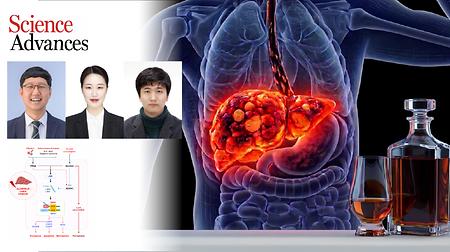
Breakthrough Unveils How Alcohol Amplifies Liver Damage During IllnessThe findings of this research were published in Science Advances on April 10, 2026.Abstract Alcohol consumption has short- and long-term impacts on physical and mental health. Although multiple host and environmental factors contribute to alcohol-related disease, the innate immune sensors that detect toxic signals from alcohol remain poorly defined. Here, we show that alcohol cooperates with sterile- or infection-induced interferon signaling to drive inflammatory cell death, cytokine release, and liver injury in humans and mice. We identified the pattern recognition receptor Z-DNA binding protein 1 (ZBP1) as a key innate immune sensor mediating pyroptosis, apoptosis, and necroptosis in response to combined ethanol and interferon stimulation. While interferon elevated ZBP1, ethanol suppressed adenosine deaminase acting on RNA 1 (ADAR1) expression. Together, interferon and ethanol activated JNK signaling to promote Z-RNA formation, triggering ZBP1. These findings reveal a mechanism by which alcohol and interferon converge to induce ZBP1-dependent inflammatory cell death and liver pathology, providing mechanistic insight and highlighting potential therapeutic targets for alcohol-related disease. A research team, affiliated with UNIST has uncovered a novel molecular pathway explaining why alcohol consumption can lead to severe liver damage, particularly when individuals are already battling infections, such as cold and influenza. Led by Professor SangJoon Lee from the Department of Biological Sciences at UNIST, alongside Professors Rajendra Karki of Seoul National University and Si Ming Man of The Australian National University, the research sheds light on how alcohol interacts with the immune system to accelerate liver cell death and exacerbate liver disease. The team discovered that, in the presence of interferon—a key immune signaling molecule produced during infections—alcohol triggers an inflammatory cascade within liver cells. Specifically, alcohol increases the level of Z-RAN, an abnormal form of RNA, which is detected by the pattern recognition receptor Z-DNA binding protein 1 (ZBP1). This activation initiates inflammatory cell death, contributing to liver damage. Under normal circumstances, the protein ADAR1 suppresses Z-RNA formation, preventing unwarranted immune activation. However, the study revealed that alcohol impairs ADAR1 production, allowing Z-RNA to accumulate and activate ZBP1. This process involves the JNK signaling pathway, which was validated through animal experiments showing that inhibiting ZBP1 or blocking JNK signaling significantly reduced liver injury—even in the presence of alcohol and interferon. Professor Lee explained, "While the direct toxicity of alcohol on liver cells has long been recognized, our findings highlight an immune-mediated pathway that exacerbates liver damage during illness. This discovery opens new possibilities for targeted therapies, such as ZBP1 inhibitors, to treat alcohol-related liver diseases." The findings of this research were published in Science Advances on April 10, 2026. The study was supported by the National Research Foundation of Korea (NRF), the Korea Drug Development Find (KDDF), the Institute for Basic Science (IBS), the Circle Foundation, and Yuhan Corporation. It has also been supported through the Global Physician-Scientist Training Program and the ARPHA-H Project from the Korea Health Industry Development Institute (KHIDI) under the Ministry of Health and Welfare (MOHW). Journal Reference Yeonseo Jang, Hoeun Bae, SuHyeon Oh, et al ., “Innate immune sensing of dietary alcohol ignites inflammation to drive alcohol-related disease,” Adv. Sci ., (2026).- 2026-04-24
- JooHyeon Heo
- 258
-
Community
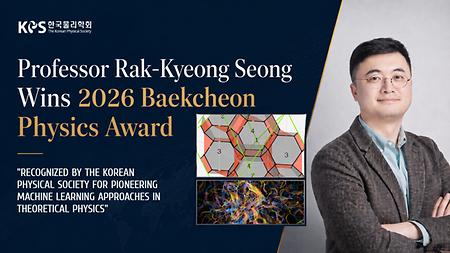
Professor Rak-Kyeong Seong Wins 2026 Baekcheon Physics AwardRecognized for expanding the frontiers of theoretical physics through machine learning and for advancing international research collaboration.Professor Rak-Kyeong Seong of the Department of Mathematical Sciences at UNIST has been awarded the 2026 Baekcheon Physics Award by the Korean Physical Society in recognition of his outstanding contributions to theoretical physics research in Korea. Professor Seong was honored for expanding the scope of theoretical physics by pioneering the use of machine learning techniques to the study of non-perturbative phenomena in quantum field theory and string theory. Presented annually by the Korean Physical Society, the Baekcheon Physics Award recognizes outstanding early-career physicists in theoretical particle physics. Because recipients are selected through a rigorous review process based on research excellence, the award is widely regarded as one of the most prestigious distinctions in Korea's theoretical physics community. Among Professor Seong's representative achievements is his 2017 paper, “Machine Learning of Calabi-Yau Volumes,” published in Physical Review D. The study, which used machine learning to predict the complex geometric properties of Calabi-Yau manifolds, is widely regarded as one of the pioneering works that introduced machine learning methods into research in quantum field theory, string theory, and mathematical physics. Professor Seong has also received international recognition as an invited speaker at the International String Data Conference for three consecutive years, hosted by the University of Cambridge in 2022, the California Institute of Technology in 2023, and Kyoto University in 2024. He has also continued to publish in leading journals, including Physical Review D and the Journal of High Energy Physics . Currently an associate professor in the Department of Mathematical Sciences at UNIST, with a joint appointment in the Department of Physics, Professor Seong has collaborated extensively with leading scholars in the field. His co-authored papers on Calabi-Yau manifolds with Professor Yang-Hui He and Fields Medalist Professor Shing-Tung Yau, published in 2018 and 2025, reflect the breadth of his international research collaborations. In January 2024, he also organized an international conference at UNIST, inviting Professor Yau as a distinguished speaker. “Machine learning and AI will transform how fundamental science is conducted, particularly in the study of quantum field theory, string theory, and mathematical physics,” said Professor Seong. “At UNIST, I will continue to apply these to pursue even greater research techniques at the intersection of mathematics, physics, and AI.”- 2026-04-24
- JooHyeon Heo
- 248

![[다산칼럼] 꿈의 크기가 지역 운명 가른다](/app/board/attach/image/thumb_571554_1776998270000.do)